A startup visa lets a non-resident founder move to a country to build an innovative company there, usually with backing from a government agency, incubator or investor. Programs differ widely: some only need a strong business plan and a local partner, others require investment, and each sits in a very different startup ecosystem.
This guide compares the main programs in 20 countries. For each one we show who qualifies, how long you can stay, and how the country’s startup ecosystem ranks in the Global Startup Ecosystem Index 2026, so you can weigh the visa and the ecosystem together.
Are you a government team running a startup visa or relocation program? Contact us to have it reviewed and featured in this list.
Startup Visa Programs Compared
| Country | Program | Visa type | Best for | Initial stay |
|---|---|---|---|---|
| United Kingdom | Innovator Founder visa | Business plan | Founders with an endorsed, innovative business | 3 years |
| Netherlands | Startup residence permit | Business plan | Early-stage founders with a facilitator | 1 year |
| France | French Tech Visa | Business plan | Incubator-backed founders | Up to 4 years |
| Estonia | Startup Visa | Business plan | Tech startups approved by the Startup Committee | Up to 1 year (visa), up to 5 years (residence permit) |
| Spain | Entrepreneur residence | Business plan | Innovative businesses approved by ENISA | 3 years |
| Japan | Startup Visa | Business plan | Founders with a local government–approved plan | 1 year (Tokyo) |
| South Korea | Startup Korea Special Visa | Business plan | Founders assessed on business potential | Issued after incorporating in Korea |
| Portugal | StartUP Visa | Business plan | Founders with a certified incubator | Temporary residence permit |
| Cyprus | Startup Visa | Business plan | Solo founders or teams of up to 5 | Multi-year, renewable |
| Thailand | SMART S visa | Business plan | Tech founders in targeted industries | 6 months to 2 years |
| Serbia | Temporary residence for startups | Business plan | Founders recognized by a science and technology park | 1 year |
| Singapore | EntrePass | Investment, talent or program | Funded, incubated or IP-backed founders | 1 year |
| Ireland | Start-up Entrepreneur Programme (STEP) | Investment, talent or program | High-potential startups with €50,000 | 2 years |
| Taiwan | Employment Gold Card | Investment, talent or program | Experienced founders and tech professionals | 1–3 years |
| Brazil | Brazilian Startup Visa (VITEM IX) | Investment, talent or program | Founders investing in an innovative company | Residence permit |
| Saudi Arabia | Premium Residency, Entrepreneur | Investment, talent or program | Founders with approved investor backing | 5 years |
| UAE (Abu Dhabi) | Golden Visa for Entrepreneurs via Hub71 | Investment, talent or program | Founders in the Hub71 network | Up to 10 years |
| Chile | Start-Up Chile | Investment, talent or program | Founders joining the accelerator | Tied to the program |
| Malaysia | Malaysia Tech Entrepreneur Programme | Investment, talent or program | New and established tech founders | 1 or 5 years |
| Uzbekistan | IT-Visa | Investment, talent or program | Founders of IT Park resident companies | 3 years |
How to Choose a Startup Visa
Startup visas fall into two broad types, and the right one depends on your stage and funding:
- Visas based on your business plan. An agency, incubator or endorsing body reviews your plan. Little or no personal investment is needed, but the business has to be innovative and scalable.
- Visas based on investment, talent or a program. You qualify through money invested, your professional record, or a place in a program such as Hub71, IT Park or Start-Up Chile.
The ecosystem matters as much as the visa. A fast-growing ecosystem such as Uzbekistan (+227% in 2026) or Saudi Arabia (+97%) offers less competition and more government attention, while top-ranked ecosystems such as the UK or Singapore offer deeper capital and talent. See the best countries for startups and best cities for startups in 2026 for the full rankings.
What do cities do to attract international founders? Gabriele Tatzberger of the Vienna Business Agency explains how Vienna does it.
Follow the Startup Ecosystem Podcast on Apple Podcasts | Spotify
Visas Based on Your Business Plan
These visas are approved on the strength of your business plan. A government agency, a certified incubator or an endorsing body reviews it, and most need little or no personal investment.
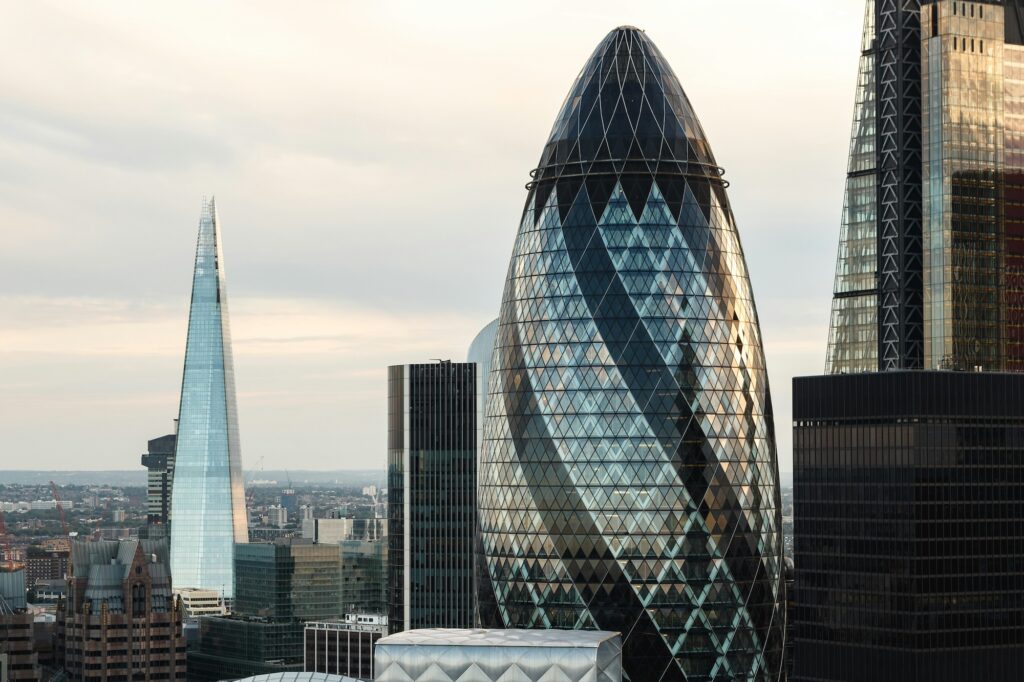
United Kingdom: Innovator Founder Visa
GSEI 2026: #2 (holding steady), +13.2% growth
The Innovator Founder visa is for founders with a new, innovative and scalable business endorsed by an approved endorsing body. Only bodies on the government’s current list can endorse new applications, so check it before you apply. There is no fixed minimum investment, and the visa can lead to settlement.
Netherlands: Startup Residence Permit
GSEI 2026: #10 (holding steady), +11.8% growth
The Dutch residence permit for startups gives non-EU founders one year to develop an innovative product or service with an experienced facilitator recognized by the Netherlands Enterprise Agency (RVO). You also need a step-by-step business plan, registration with the Chamber of Commerce and enough money to live on. The application fee is €423, and the IND aims to decide within 90 days. After the year, founders can apply for a self-employed residence permit.
France: French Tech Visa
GSEI 2026: #11 (down 3), +4.7% growth
The French Tech Visa is a fast track to the Talent Passport residence permit, valid for up to four years and renewable. Founders usually qualify through a partner incubator, which confirms that the project is innovative. You must show resources of at least the French annual minimum wage. No personal investment is required, and family members are covered.

Estonia: Startup Visa
GSEI 2026: #12 (down 1), +8.8% growth
To use Estonia’s Startup Visa, founders first need approval from the Startup Committee, which assesses whether the business is innovative, scalable and has global growth potential, and decides within 10 working days. Approved founders can get a visa for up to 365 days or a temporary residence permit for up to five years. You must show at least €800 for each month you plan to spend in Estonia.
Spain: Entrepreneur Residence
GSEI 2026: #13 (up 1), +19.3% growth
Spain’s entrepreneur residence is for innovative businesses, or those of special economic interest to Spain, that receive a favorable report from ENISA, the national innovation agency. The report is issued within 10 working days. There is no fixed minimum investment or job target. The permit lasts three years, renewable for two, and permanent residence is possible after five years.
Japan: Startup Visa
GSEI 2026: #18 (holding steady), +10.7% growth
Japan’s Startup Visa lets founders stay while they prepare a business, once a participating local government approves their business plan. Tokyo’s program, for example, grants a one-year Designated Activities status of residence, with support from the Business Development Center Tokyo. Founders then move to the Business Manager visa, which requires ¥30 million in capital, at least one full-time employee and Japanese-language ability.
South Korea: Startup Korea Special Visa
GSEI 2026: #19 (up 1), +20.6% growth
The Startup Korea Special Visa, run by the Ministry of SMEs and Startups and the Ministry of Justice, judges founders on business viability and innovation instead of points. You apply online from abroad with a business plan, pitch to an evaluation committee, and receive a recommendation letter valid for six months, during which you incorporate in Korea and apply for the visa. Applications are open until 30 December 2026.
Portugal: StartUP Visa
GSEI 2026: #31 (down 2), +7.2% growth
Portugal’s StartUP Visa, run by IAPMEI, requires positive feedback from at least one of the program’s certified incubators, which then hosts and supports the project. The business must be innovative and technology- or knowledge-based, with the potential to reach €325,000 in annual turnover or assets within five years. Teams can include up to five founders, applications are accepted year-round, and IAPMEI decides within 30 working days.

Cyprus: Startup Visa
GSEI 2026: #34 (up 6), +62.7% growth
The Cyprus Startup Visa is open to solo non-EU founders and teams of up to five, who must own at least 25% of the company together. The startup must be innovative and no more than five years old, and applications are decided within five weeks. The scheme runs until December 2026, with up to 150 visas available. With 62.7% growth in 2026, Cyprus is the fastest-growing EU ecosystem in this list.
Thailand: SMART S Visa
GSEI 2026: #49 (up 4), +62.6% growth
Thailand’s SMART S visa is for founders of tech startups in industries targeted by the Board of Investment. It comes in 6-month, 1-year and 2-year types. The 1- and 2-year types need at least THB 600,000 held for three months, and the 2-year type requires a Thai company in which you hold at least 25% or serve as director. Founders with higher incomes can also look at the 10-year Long-Term Resident visa.
Serbia: Temporary Residence for Startups
GSEI 2026: #58 (down 2), +6.1% growth
Serbia grants temporary residence to foreign founders of a Serbian company whose innovative activity is recognized by a registered science and technology park. The first permit lasts one year. To renew, the company needs Serbian employees, at least RSD 1,000,000 in business income, or a new confirmation from the science and technology park.

Visas Based on Investment, Talent or a Program
These visas depend on what you bring: money invested in the business, a strong professional record, or a place in a specific tech hub or accelerator.
Singapore: EntrePass
GSEI 2026: #4 (holding steady), +24.4% growth
The EntrePass is for founders of innovative companies in Singapore. Applicants qualify through venture funding, support from an approved incubator or accelerator, intellectual property, or research links, and renewals depend on business spending and local hiring. Singapore grew fastest among the global top 10 in 2026.
Ireland: Start-up Entrepreneur Programme (STEP)
GSEI 2026: #16 (holding steady), +14.5% growth
STEP is for founders of high-potential startups, meaning businesses that can create 10 jobs in Ireland and reach €1 million in sales within three years. You need €50,000 in funding, and retail, personal services and catering do not qualify. Approved founders and their families get two years of residence, renewable for three more, with long-term residence possible after five years.
Taiwan: Employment Gold Card
GSEI 2026: #20 (up 5), +41.1% growth
Taiwan’s Employment Gold Card combines a work permit, residence permit and visa in one card valid for one to three years. Founders can qualify through salary, achievements such as awards or patents, or an entrepreneur category. It includes an open work permit, so holders can run a startup and take other work. Taiwan climbed five places in 2026.
Brazil: Brazilian Startup Visa
GSEI 2026: #26 (up 1), +17.7% growth
The Brazilian Startup Visa, part of the VITEM IX investor category, is for founders, partners and angel investors putting money into a startup, innovative company or technology-based business in Brazil. You first apply for residence authorization in Brazil with a business plan showing the company’s innovative potential, then request the visa from a Brazilian consulate.
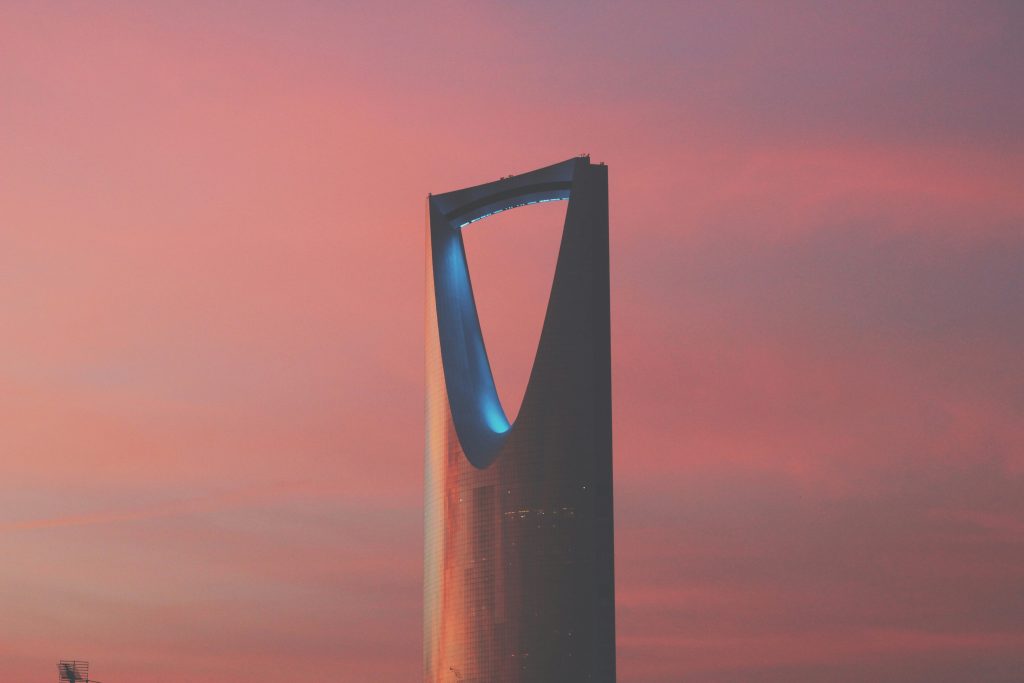
Saudi Arabia: Premium Residency for Entrepreneurs
GSEI 2026: #28 (up 10), +97% growth
Saudi Arabia’s Premium Residency has an entrepreneur category with two tiers:
- Five-year residency: an entrepreneurial license from the Ministry of Investment, at least SAR 400,000 from an approved investor, and a stake of at least 20%. It can be renewed once.
- Permanent residency: an investment of at least SAR 15 million, a stake of at least 10%, and at least 10 jobs created.
No local sponsor is needed, and family members can be included. Saudi Arabia climbed 10 places in 2026, the biggest jump among the top 30 countries in this list.
United Arab Emirates (Abu Dhabi): Golden Visa via Hub71
GSEI 2026: #30 (down 9), −27.5% change
Founders in Hub71, Abu Dhabi’s tech ecosystem, can be endorsed for the UAE Golden Visa for Entrepreneurs, a sponsor-free residency of up to 10 years that covers family. Criteria include revenue above AED 1 million, approval from a recognized incubator, or previous businesses worth at least AED 7 million. Hub71’s programs require at least one founder to relocate to Abu Dhabi.
Chile: Start-Up Chile
GSEI 2026: #39 (down 2), +20% growth
Start-Up Chile, the government accelerator run by CORFO, funds founders from anywhere and helps them get a visa. Its Build track offers up to CLP 15 million and its Ignite track up to CLP 30 million in co-financing. The team leader must work from Chile during the program.
Malaysia: Malaysia Tech Entrepreneur Programme (MTEP)
GSEI 2026: #41 (up 3), +18.9% growth
MTEP, run by the Malaysia Digital Economy Corporation, offers a one-year pass for new tech founders, who must join a Malaysia Digital Hub, and a five-year pass for established entrepreneurs and investors. Dependents can be included. Approval takes about four weeks.
Uzbekistan: IT-Visa
GSEI 2026: #79 (up 19), +227.3% growth
Uzbekistan had the fastest-growing ecosystem in this list in 2026. Its IT-Visa is a three-year visa for founders, investors and staff of IT Park resident companies, and holders can work without a separate work permit. Founders need a stake of at least US$30,000 in a resident company. IT Park membership also brings tax incentives.

Is Your Country Attracting the Founders It Wants?
A startup visa only works if founders find it and trust the ecosystem behind it. StartupBlink helps governments and ecosystem developers benchmark their ecosystem against 1,500+ cities and 120 countries, see where international founders are coming from, and promote their programs. See how your ecosystem compares.
Frequently Asked Questions
Which country has the easiest startup visa? It depends on what you bring. If you have an innovative plan but little capital, programs with no minimum investment, such as the Netherlands, Portugal, Estonia, France or South Korea’s special visa, are the most accessible. If you have capital, routes tied to investment, such as Saudi Arabia’s Premium Residency or Uzbekistan’s IT-Visa, are more predictable.
Does Canada still have a startup visa? Not for new applicants. The Start-up Visa is closed, and details of its replacement have not yet been published. Founders can still use provincial entrepreneur streams or the C-11 work permit, and some cities actively support international founders. Kingston, Ontario, for example, helps newcomers with Ontario’s entrepreneur stream and runs a cross-border soft-landing program with Syracuse.
Which startup visas lead to permanent residence? The UK, Spain, Ireland, Saudi Arabia (higher tier) and Estonia all offer routes to permanent or long-term residence after a set number of years, usually by keeping the business active and meeting renewal targets.
Do I need investment to get a startup visa? Not always. Many European programs require only proof that you can support yourself, while others set minimum funding, such as Ireland (€50,000), Saudi Arabia (SAR 400,000 from an investor) and Uzbekistan (a US$30,000 stake).
Visa rules change often, so confirm current requirements on the official program page before applying.
Want to see where startups are growing fastest? Download the Global Startup Ecosystem Index 2026, or explore the 2026 regional rankings for Europe, Asia Pacific, the Middle East, Africa, Latin America and North America.